
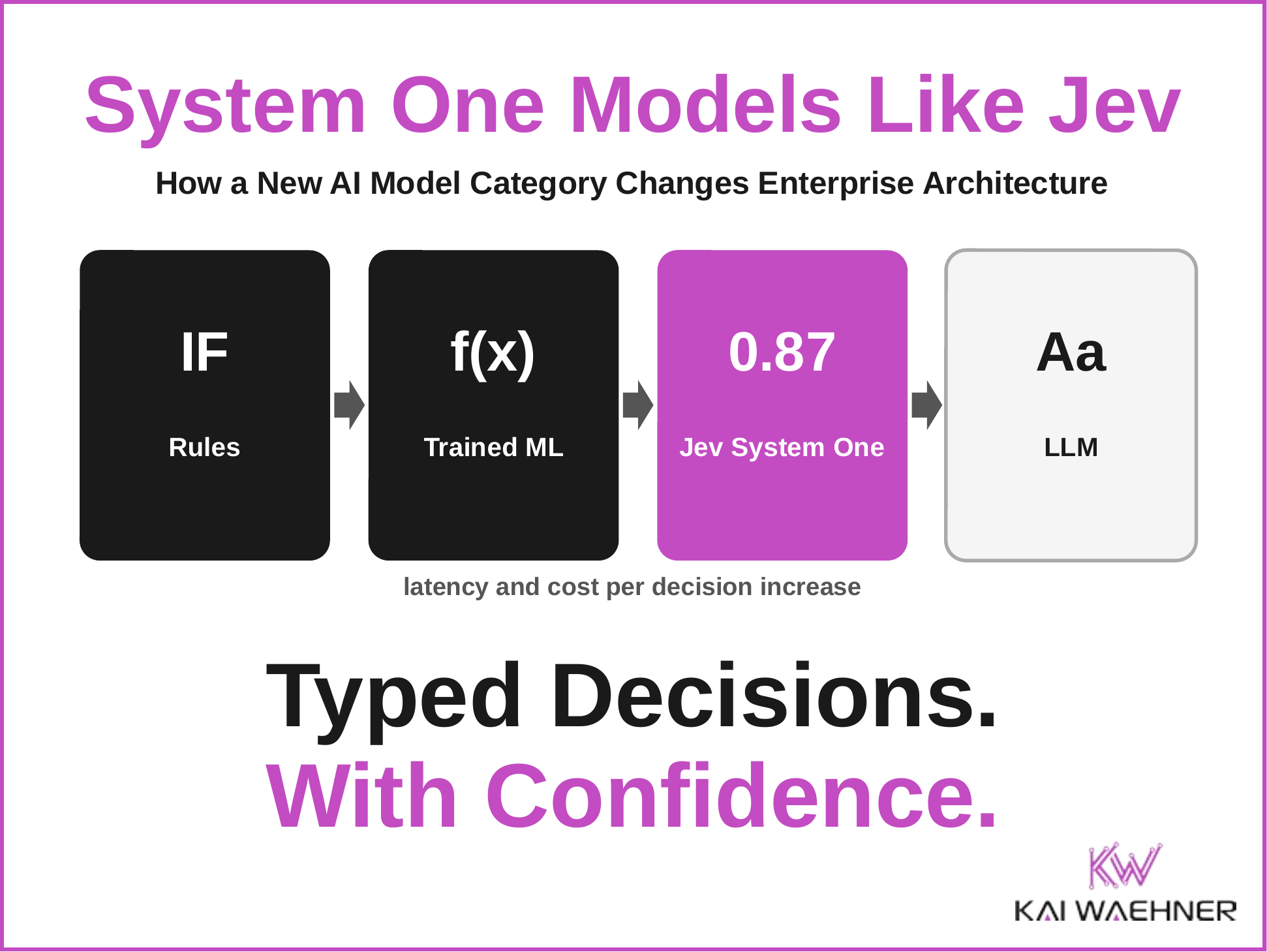
How System One Models Like Jev Change Enterprise AI Architecture
System One models such as Jev by TypeSafe AI answer typed questions with calibrated probabilities in a few hundred milliseconds instead of generating text. This post explains how they compare with rules, trained machine learning and…
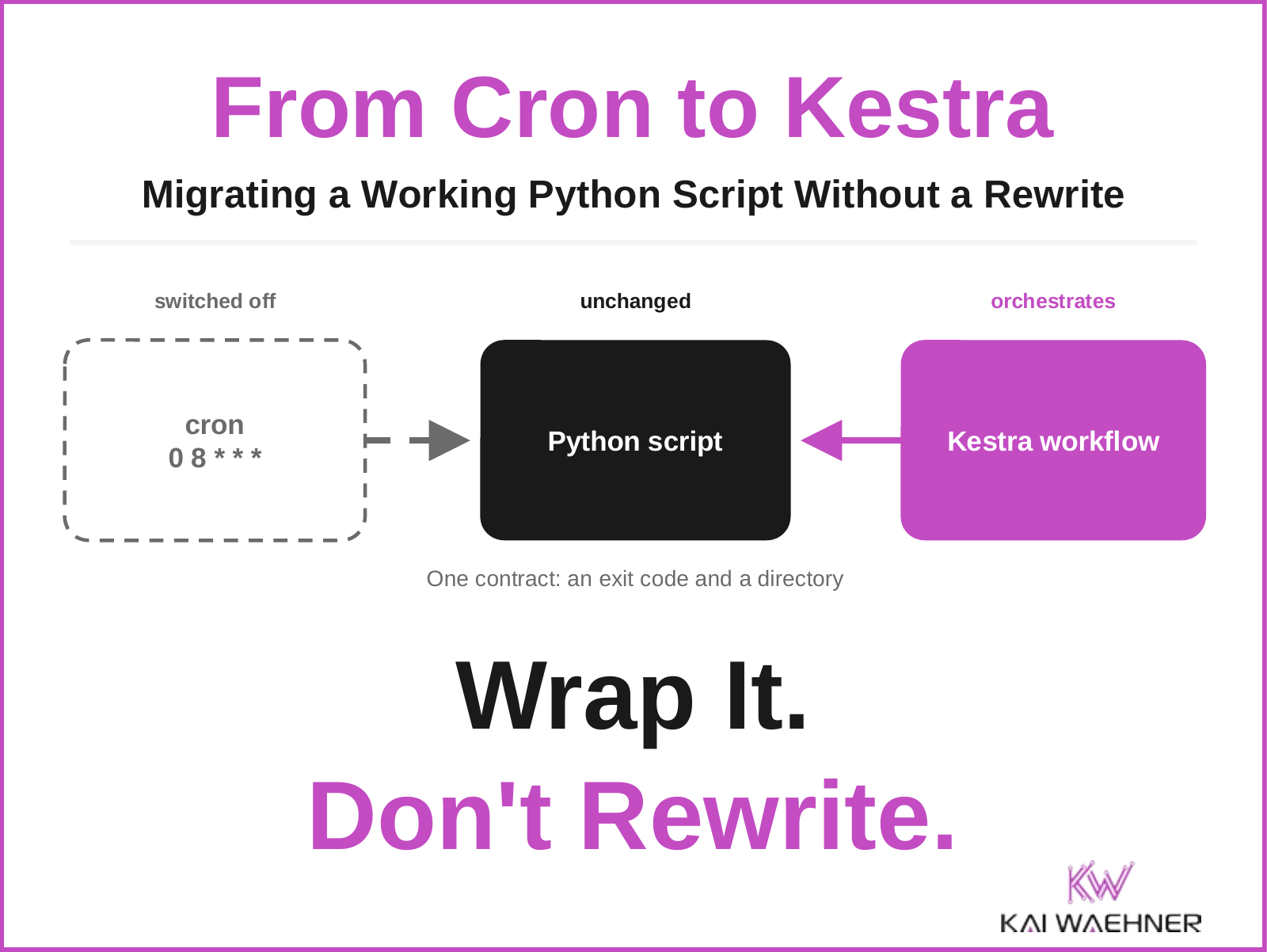
From Cron Batch Jobs to Kestra: Migrating a Python Script Without a Rewrite
A working Python cron job moved to Kestra, the open source workflow orchestration platform, without a rewrite. Wrapping it unchanged surfaced a bug that had cost forty-five minutes every morning for weeks, and a later incident showed…
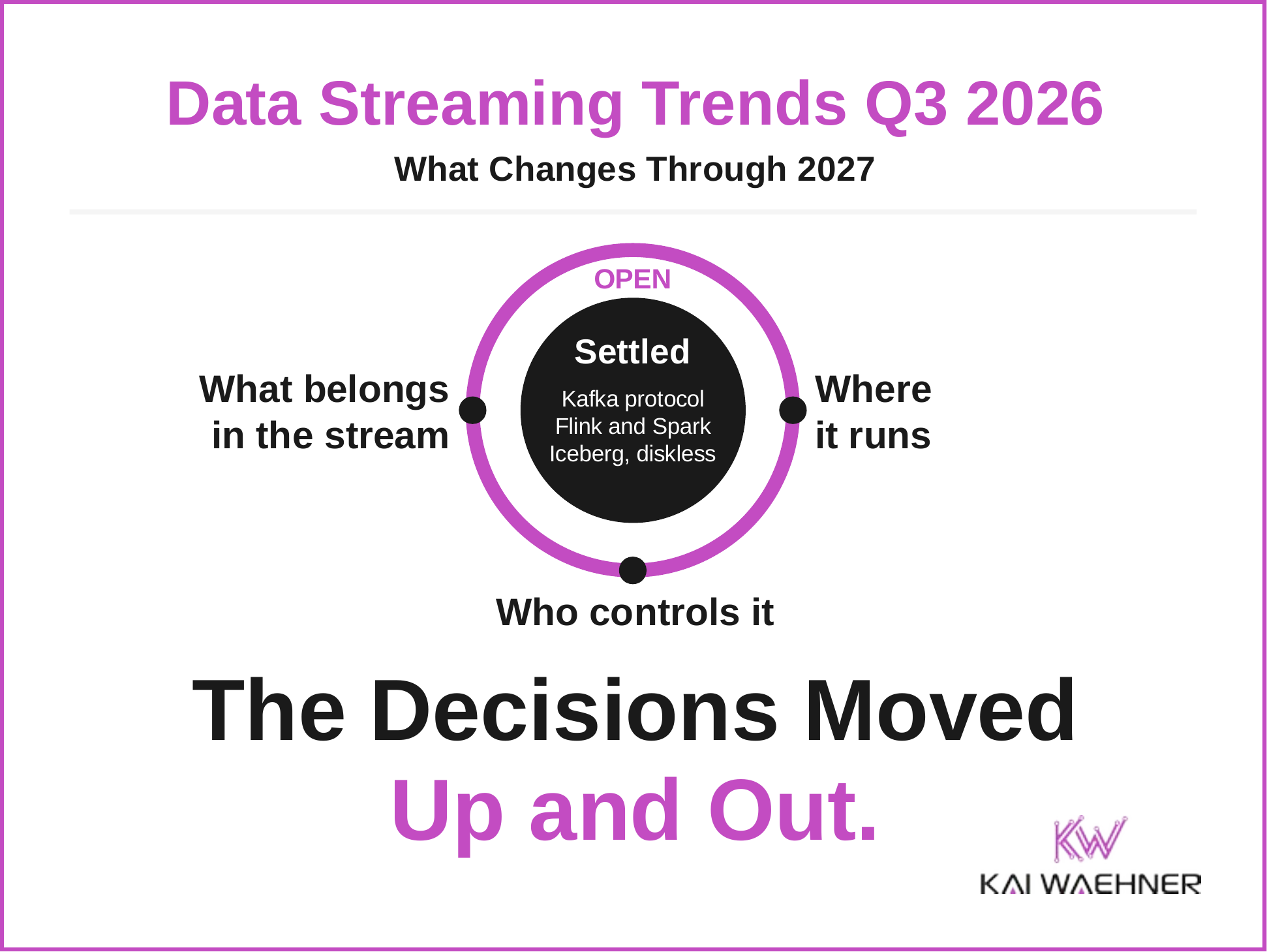
Data Streaming Trends Q3 2026: What Changes Through 2027
The Q3 2026 edition of the data streaming trends names ten trends through 2027, grouped by market, architecture, and practice: consolidation and migration tooling, sovereignty, diverging Kafka implementations, diskless Kafka, the…
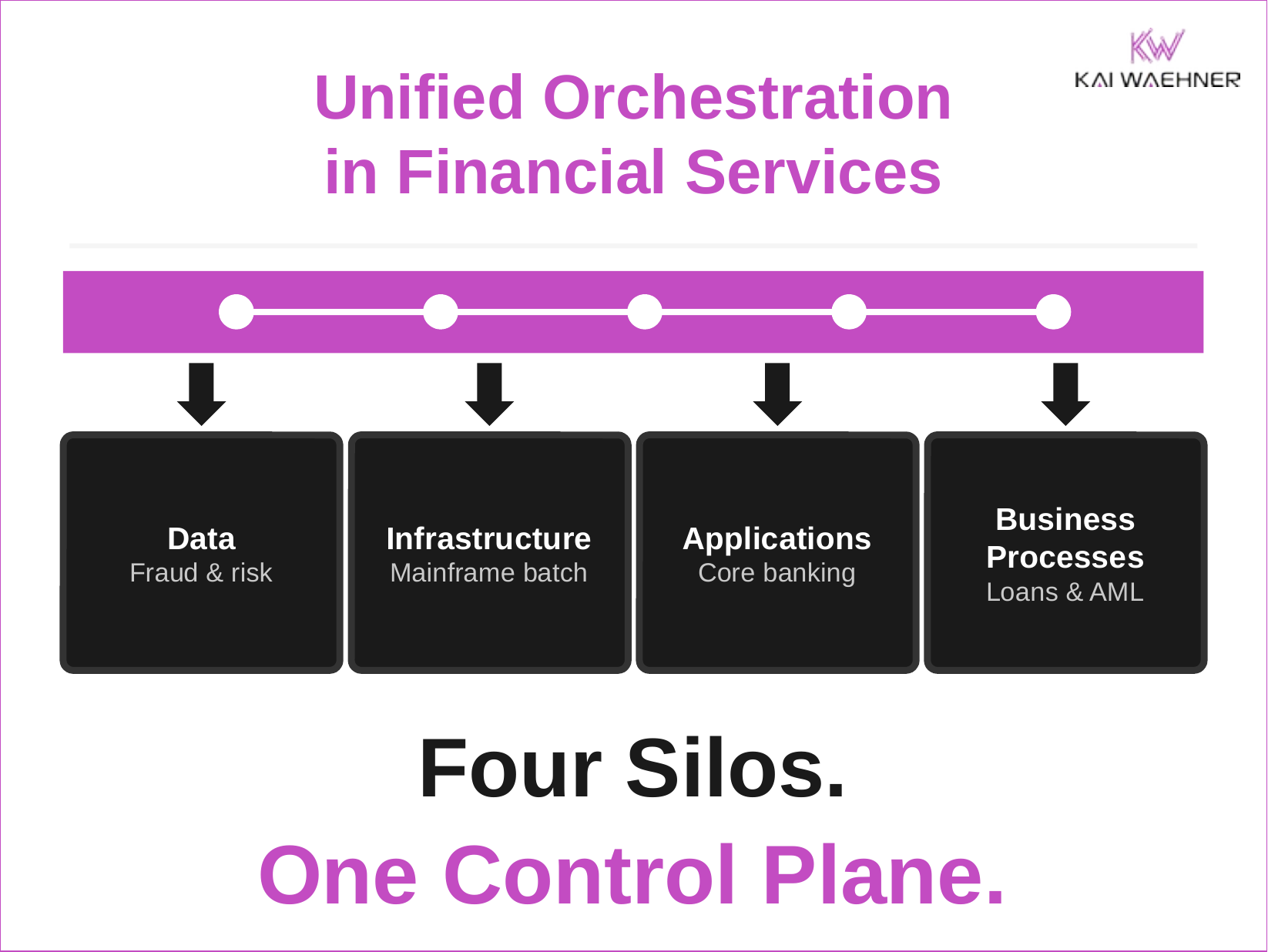
Unified Orchestration in Financial Services: One Control Plane Across the Bank
Banks run four disconnected orchestration silos: data pipelines, batch schedulers, application workflows, and business processes, held together by homegrown glue code. With T+1 settlement, instant payments, and DORA enforcement…
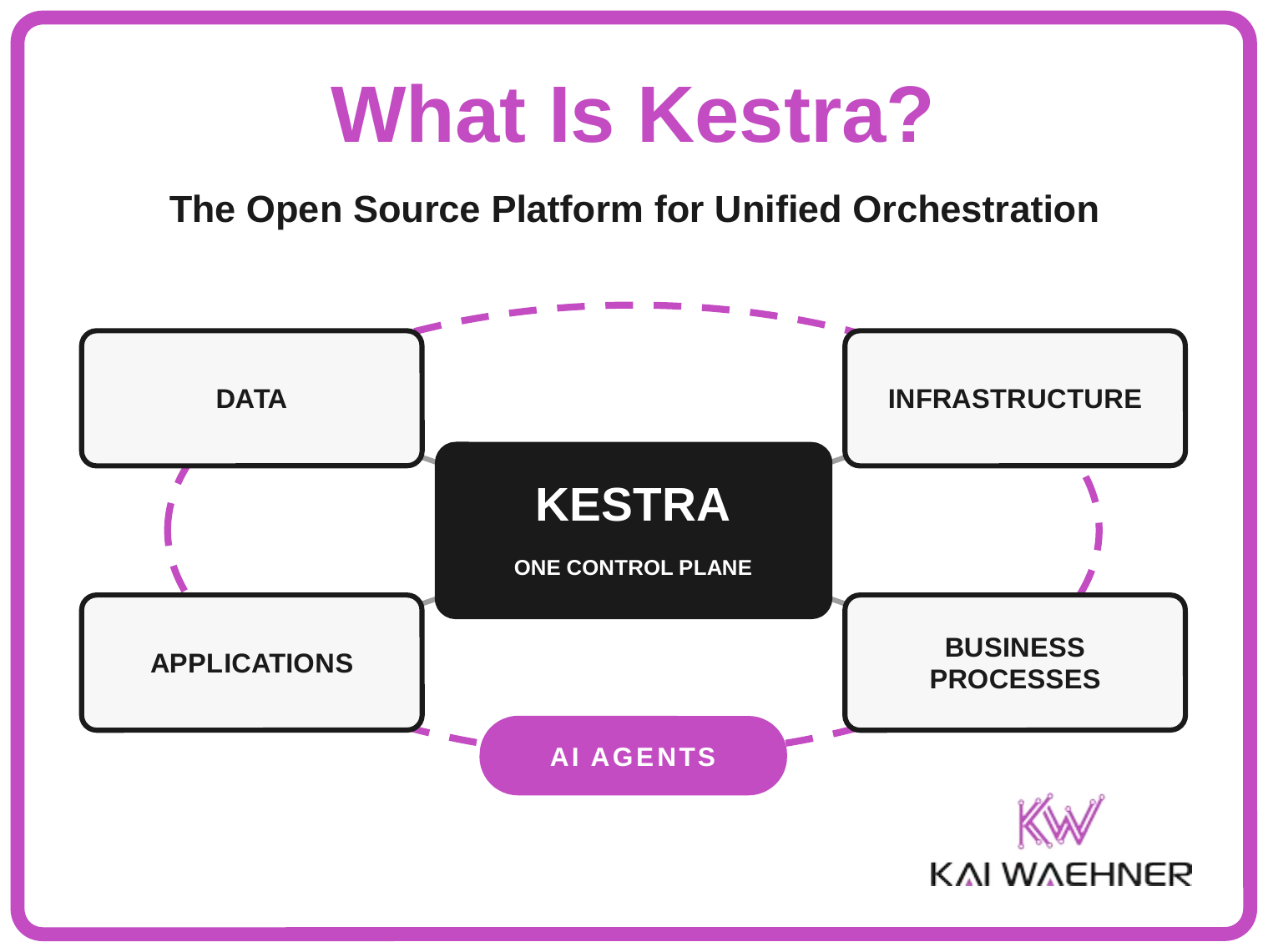
What is Kestra? The Open Source Platform for Unified Orchestration
Kestra is the open source platform for unified orchestration: one control plane for data, infrastructure, applications, and business processes, with AI agents governed across all four. This article explains what unified orchestration…
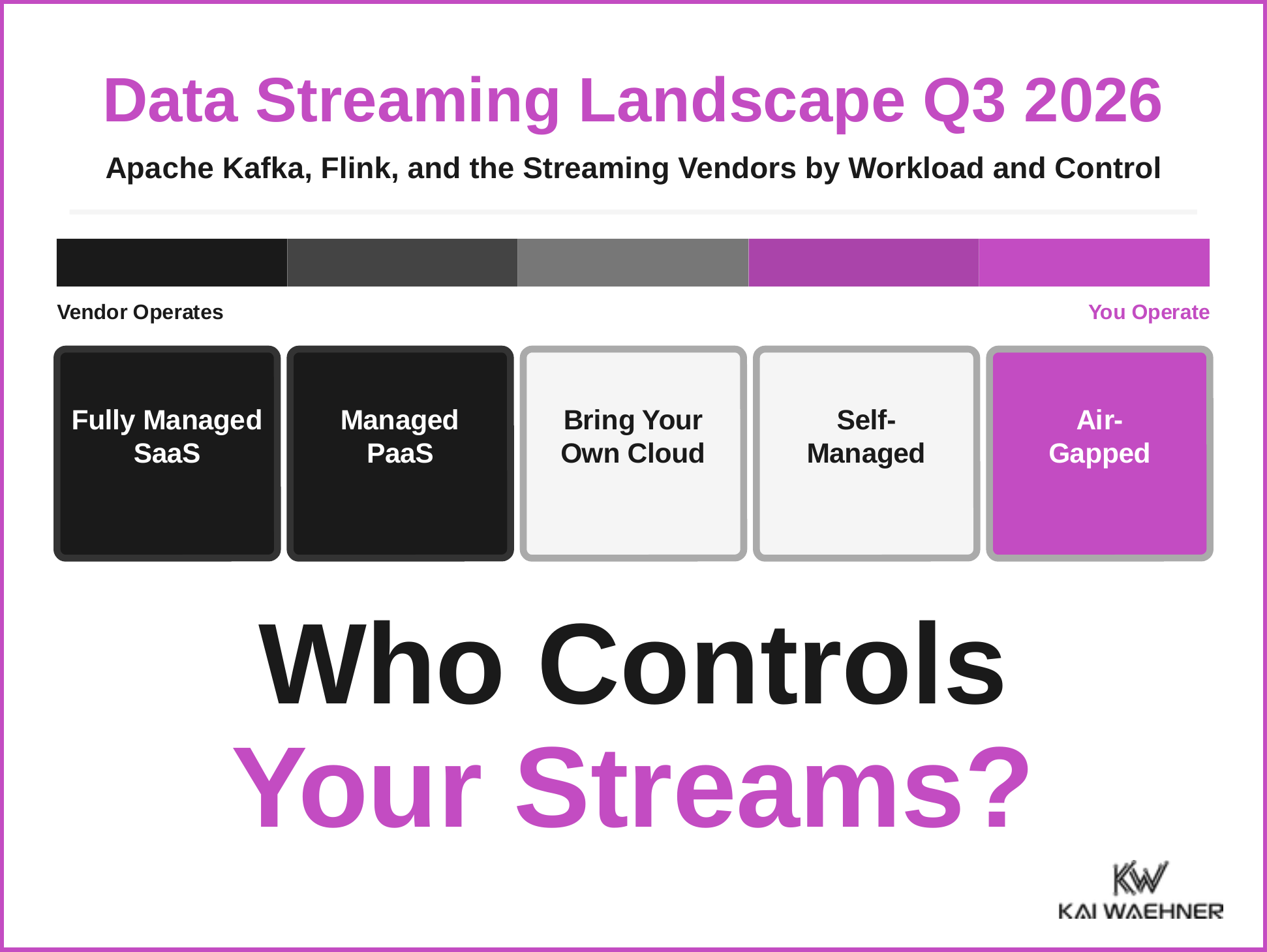
Data Streaming Landscape Q3 2026: Who Controls Your Streams
The Data Streaming Landscape Q3 2026 maps every major streaming vendor and open-source project by workload and operating model, explains why data sovereignty now shapes deployment, and covers Confluent inside IBM and the lakehouse…
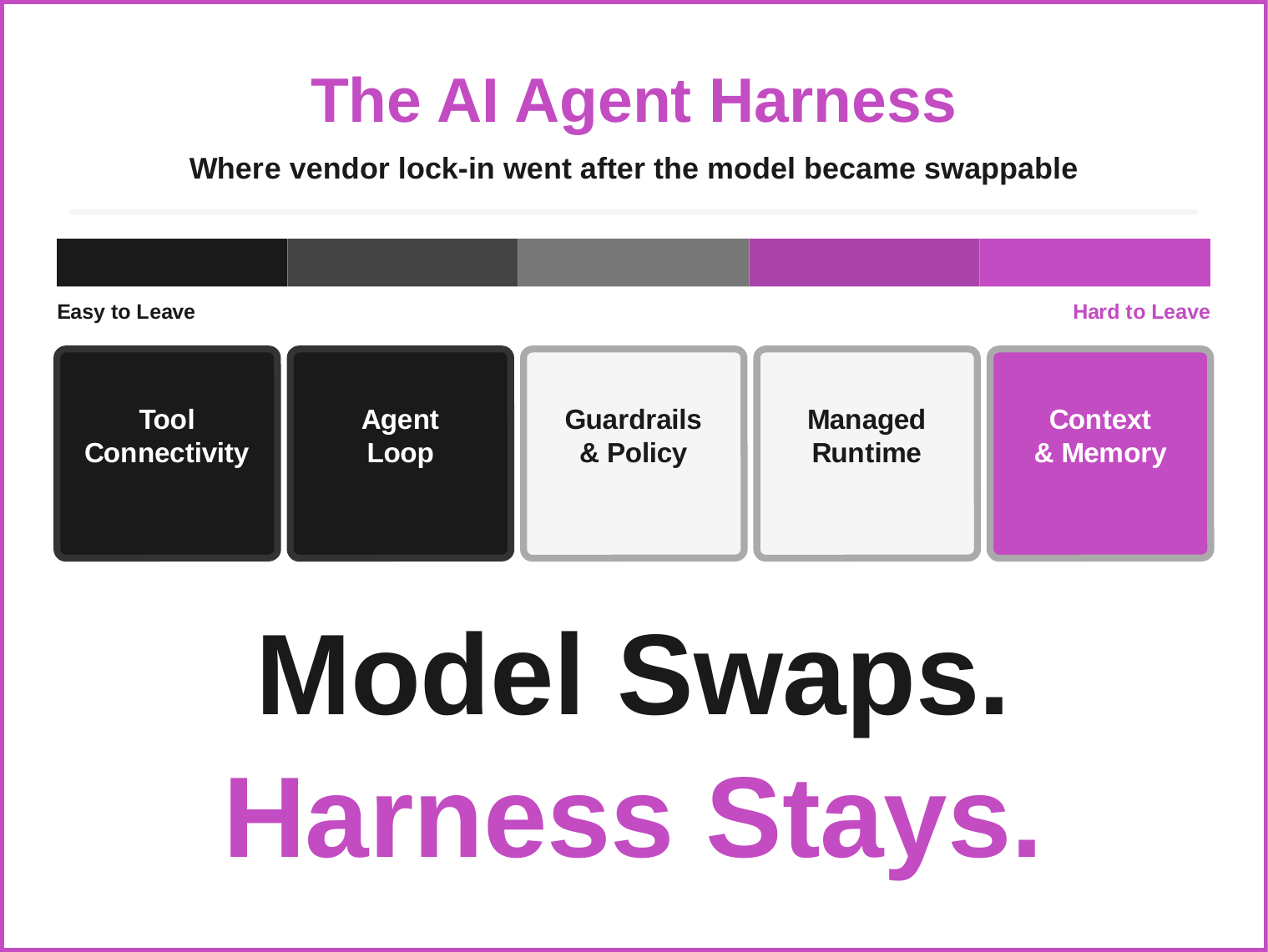
The AI Agent Harness: Where Vendor Lock-in Went After the Model Became Swappable
An AI agent harness is everything between the model API and the business outcome. Models became swappable, so vendor lock-in moved into the harness: context, definitions, and runtime. This post gives enterprise buyers the portability…
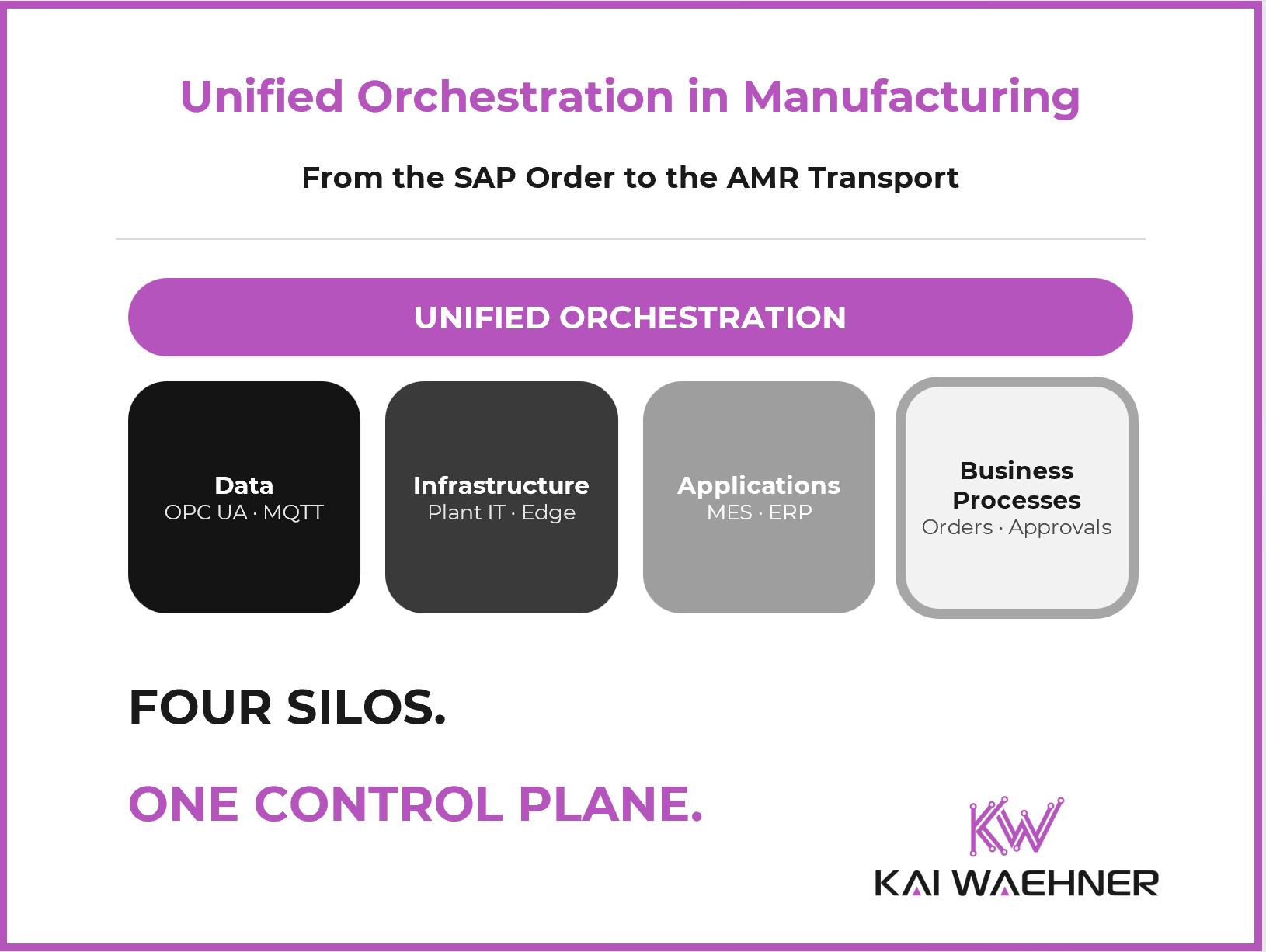
Unified Orchestration in Manufacturing: From Shop Floor to Cloud
Factories do not lack automation. They lack coordination between automations. This post maps unified orchestration to manufacturing and logistics: data pipelines from OPC UA and MQTT to the lakehouse, Python orchestrators like Airflow,…
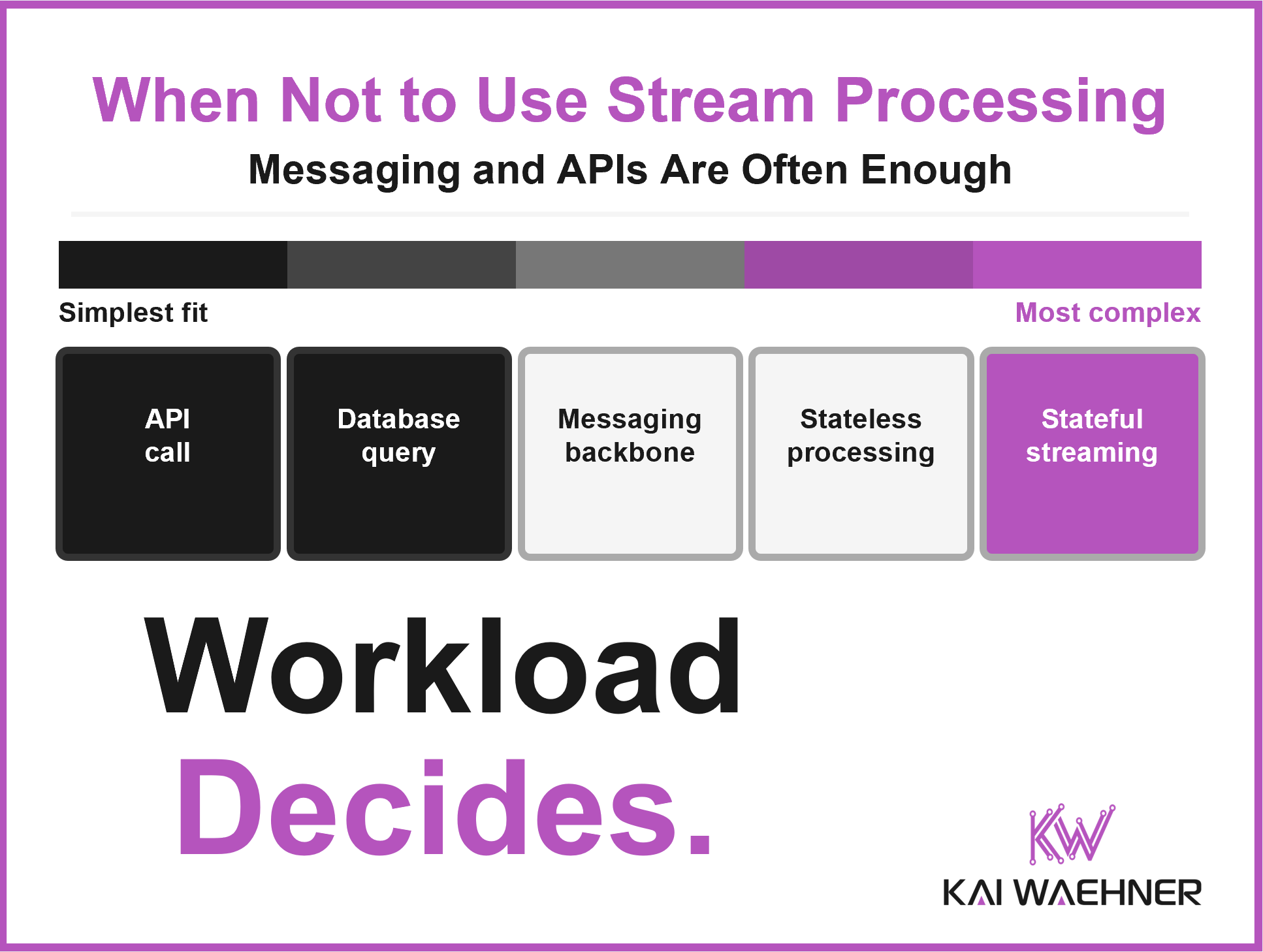
When NOT to Use Stream Processing: Messaging and APIs Are Often Enough
Confluent rearchitected Control Center away from its Kafka Streams metrics pipeline. Kestra 2.0 rebuilt its queuing layer around plain queueing. Two companies that know streaming as well as anyone reached the same conclusion about the…
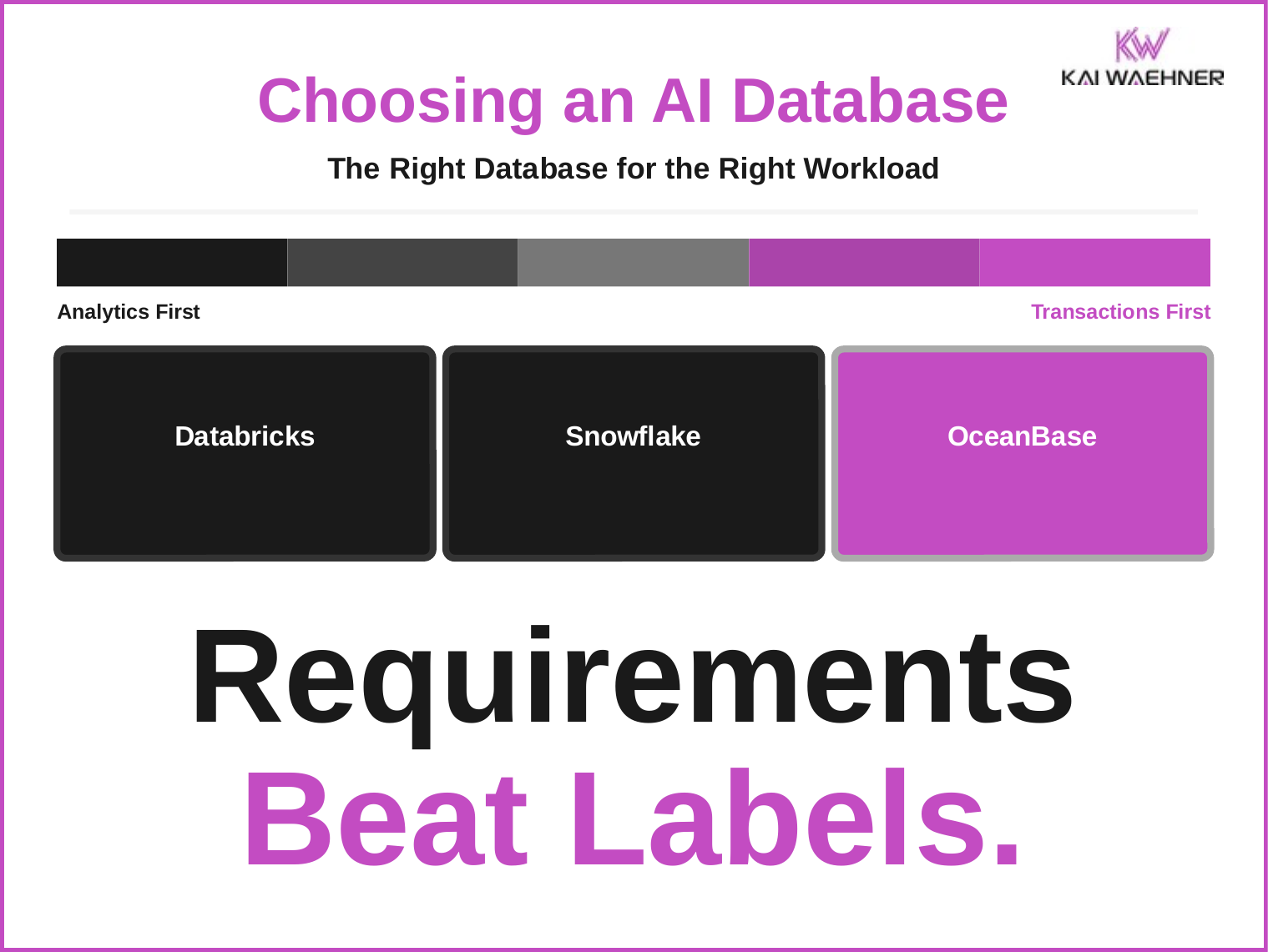
OceanBase vs. Databricks vs. Snowflake: Which AI Database for Transactional Workloads, Analytics, and AI Agents?
Every vendor now sells an AI database. This deep dive compares OceanBase with Databricks and Snowflake across transactions, analytics, and AI agents, including when not to use each….
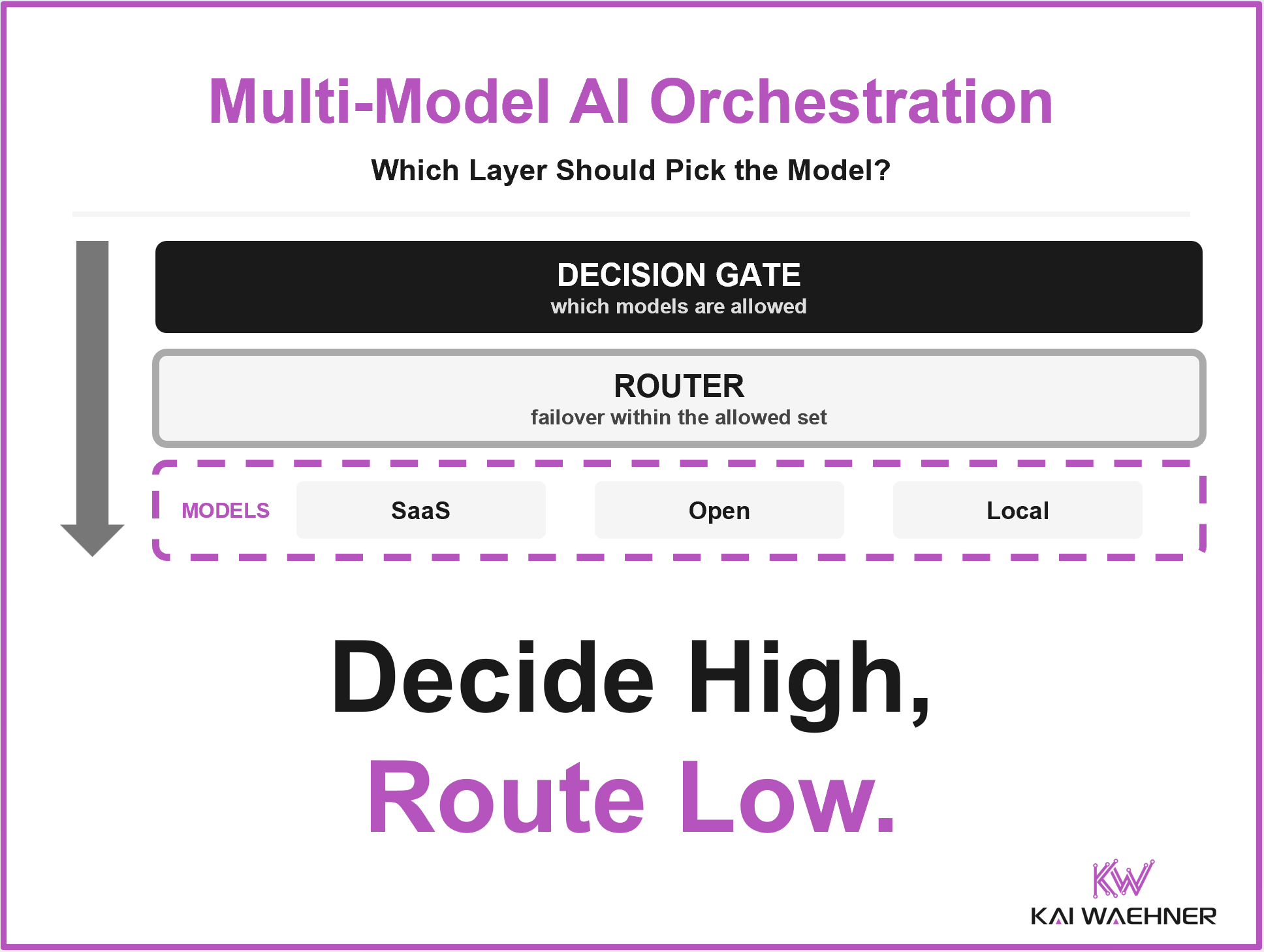
Multi-Model AI Orchestration: Which Layer Should Pick the Model?
Every router can pick a model. The question that decides whether a multi-model strategy survives production is which layer chooses, on what grounds, and with what audit trail. Decide high, route low….
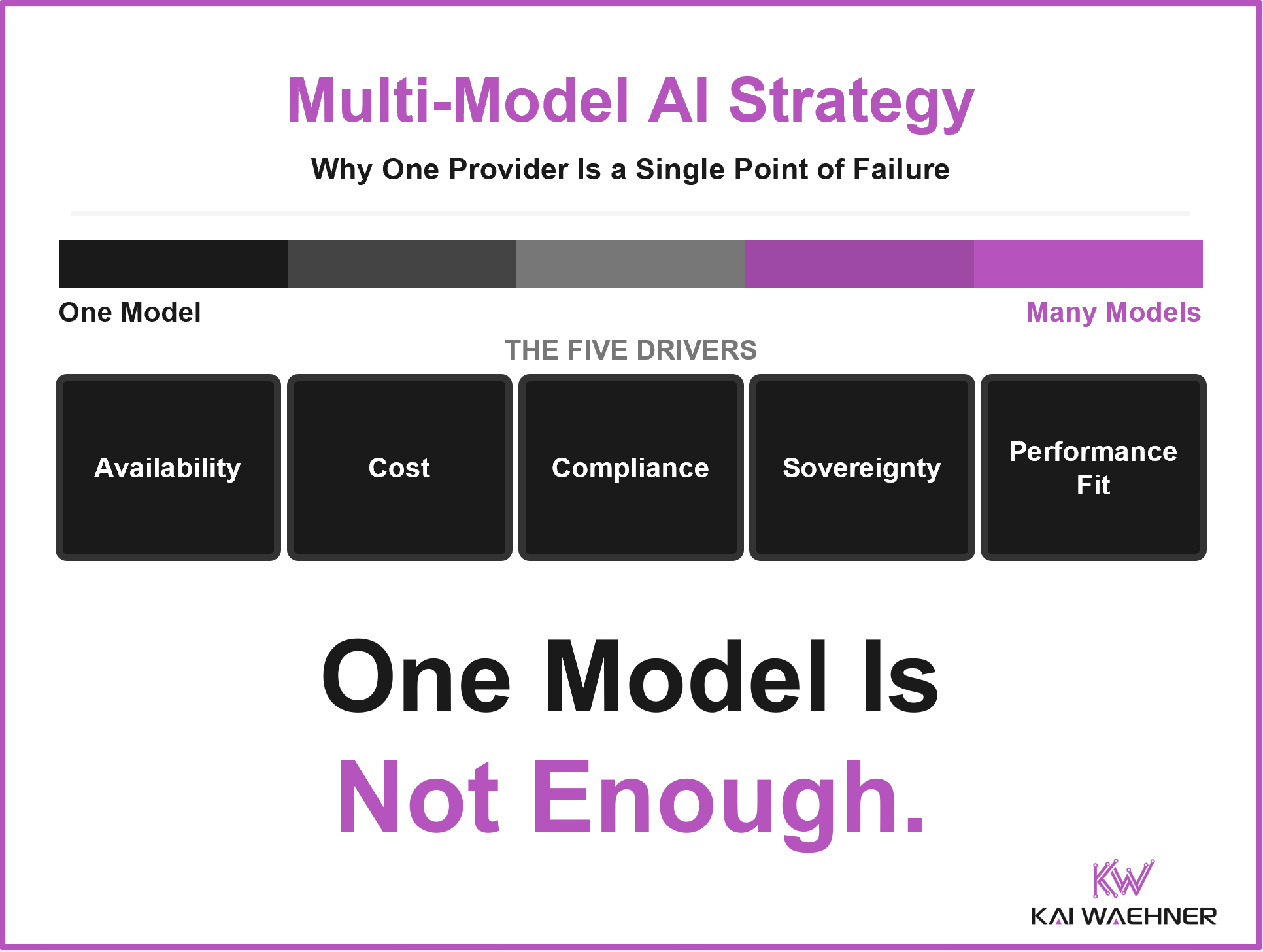
Why Enterprises Need a Multi-Model AI Strategy: Cost, Compliance, and Resilience
Single-vendor AI has become a single point of failure. Five drivers now make the case for a multi-model AI strategy across SaaS frontier models and self-hosted open weights, and the architecture underneath decides whether it works….
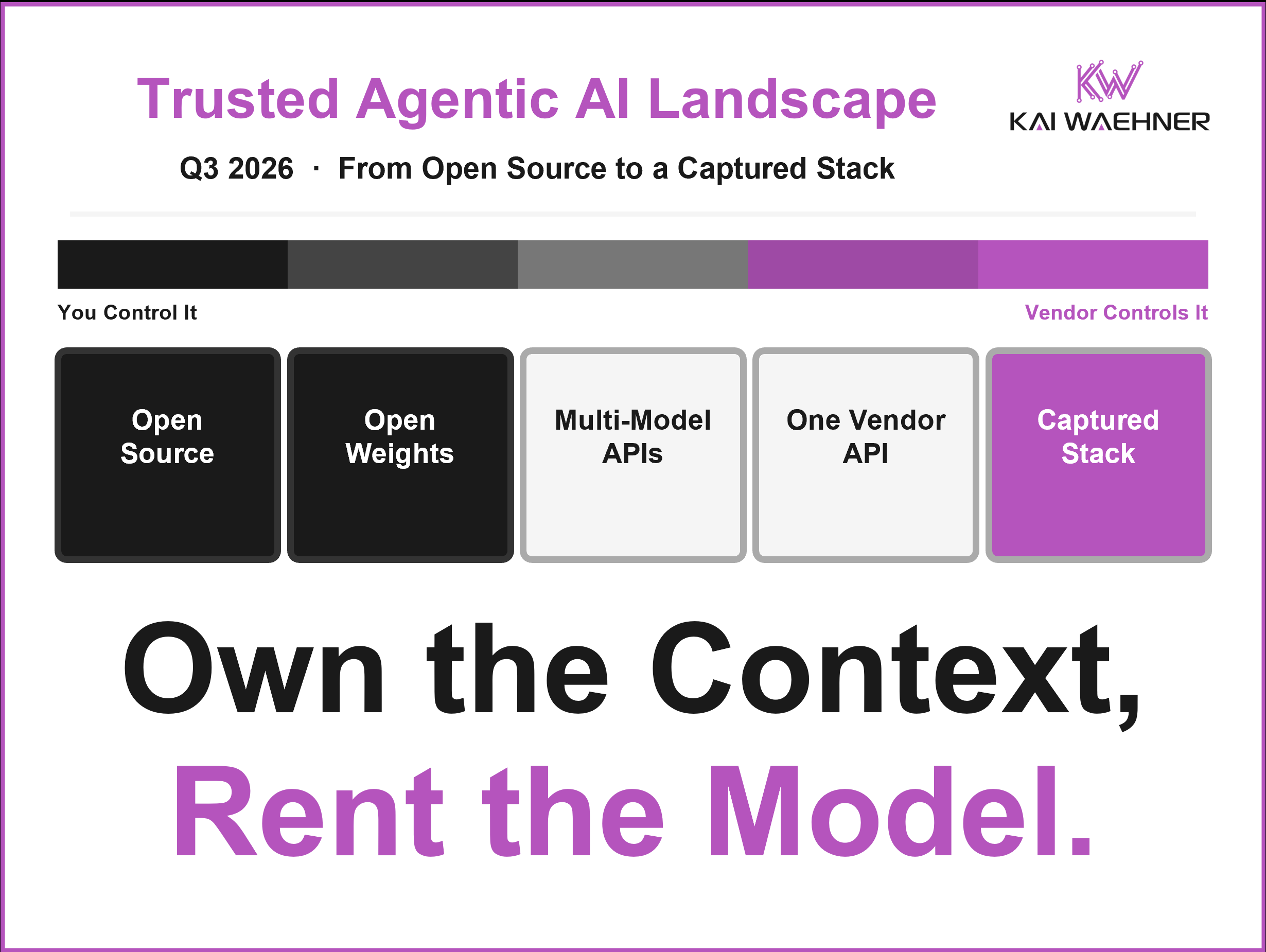
Trusted Agentic AI Landscape Q3 2026: Enterprise Vendor Selection, Sovereignty, and Lock-in
The Q3 2026 edition of the Trusted Agentic AI Landscape maps enterprise AI vendors on two axes, trust and lock-in, and explains why sovereignty, open weights, and agent-layer lock-in now decide the vendor choice. Free PDF with the full…
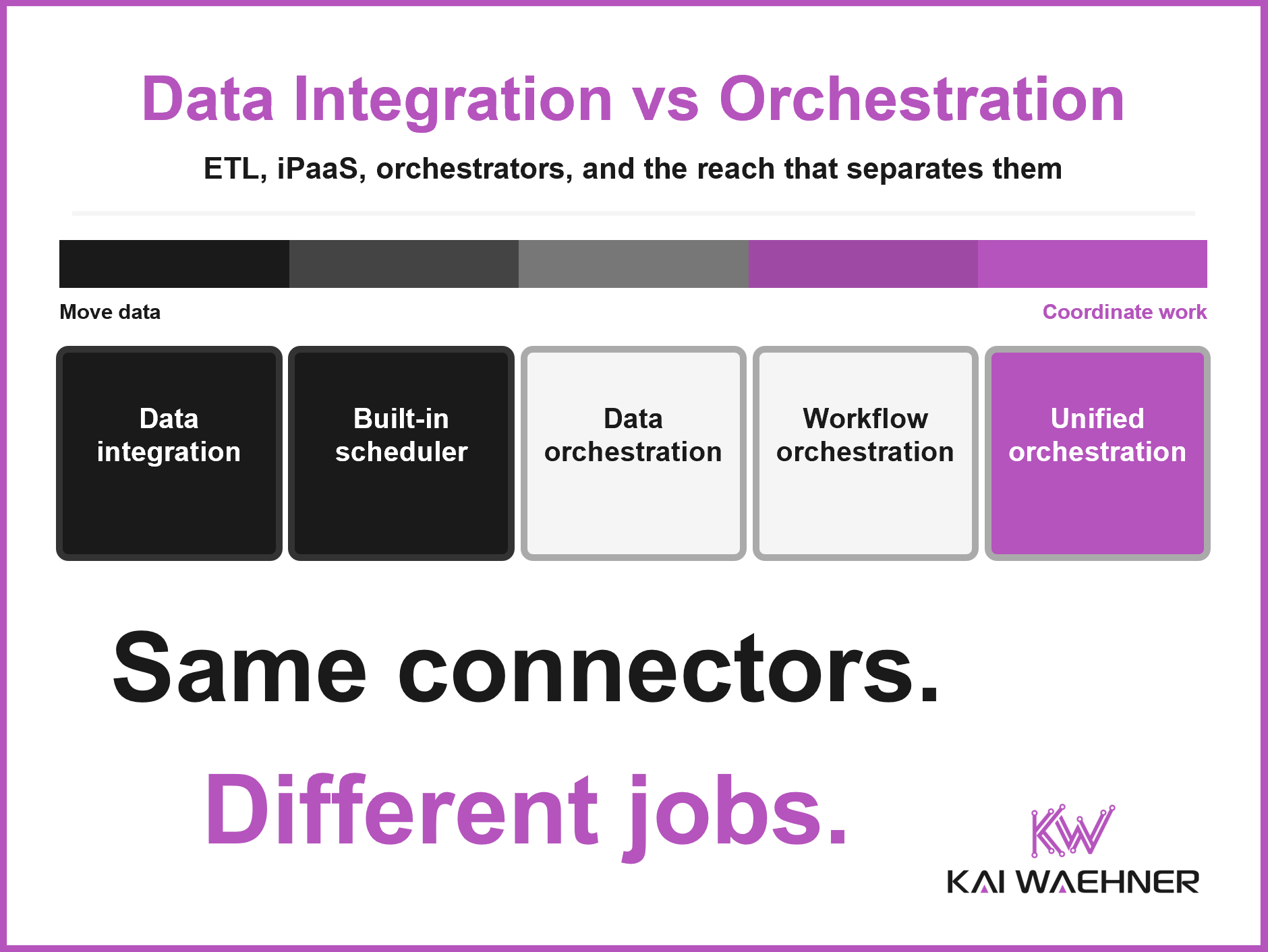
Data Integration vs Workflow Orchestration: Connecting Systems Is Not Coordinating the Work
Data integration and workflow orchestration get confused because both ship hundreds of connectors. This post draws the line: integration moves and reshapes data, orchestration coordinates what runs across categories and recovers when…
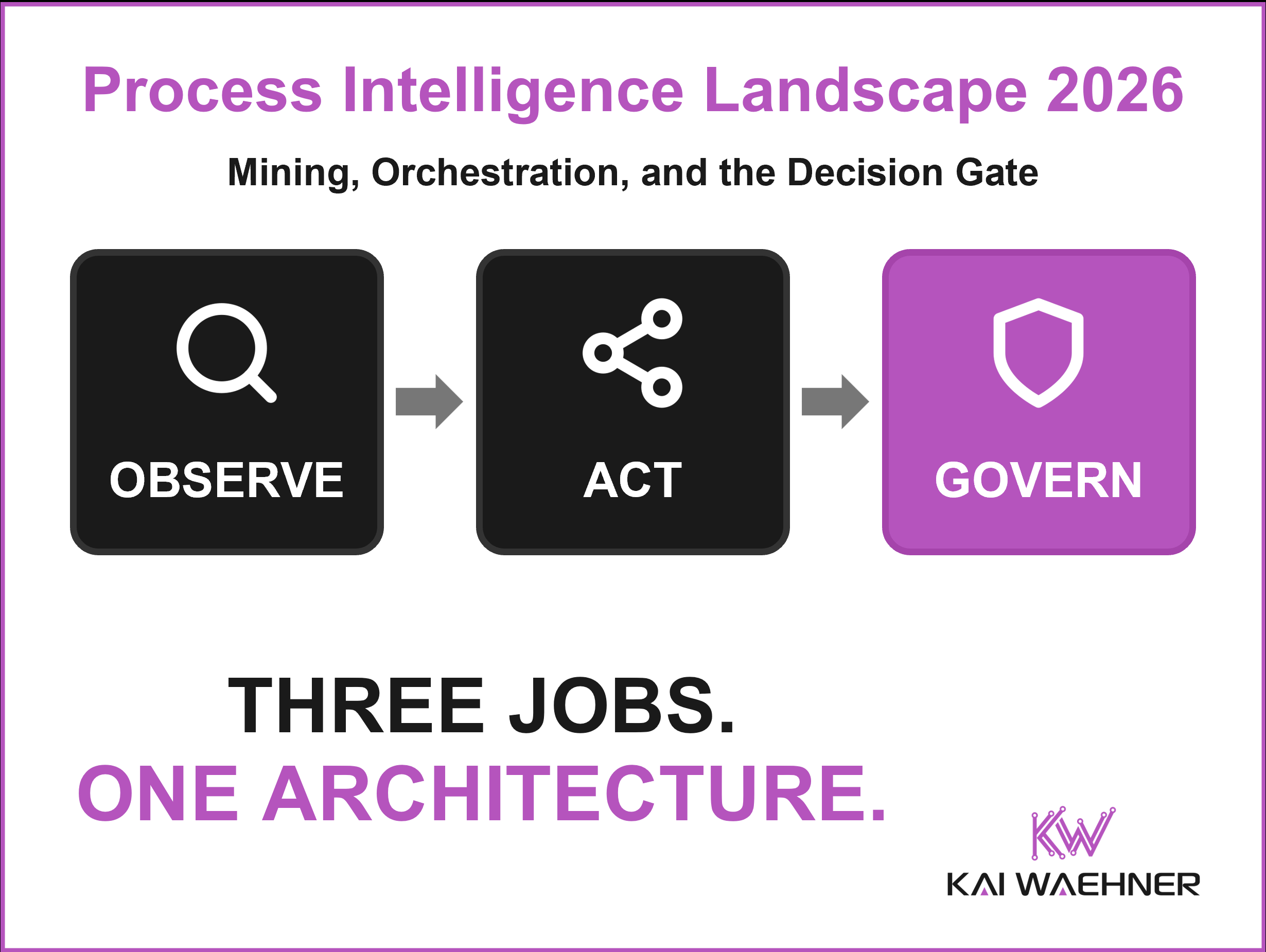
Process Intelligence Landscape 2026: Mining, Orchestration, and the Agentic AI Shift
Process intelligence has become three things, not one: mining, orchestration, and a decision gate. Here is how they fit, why agentic AI raises the stakes, and the four choices that keep your options open. Full vendor landscape as a free PDF….
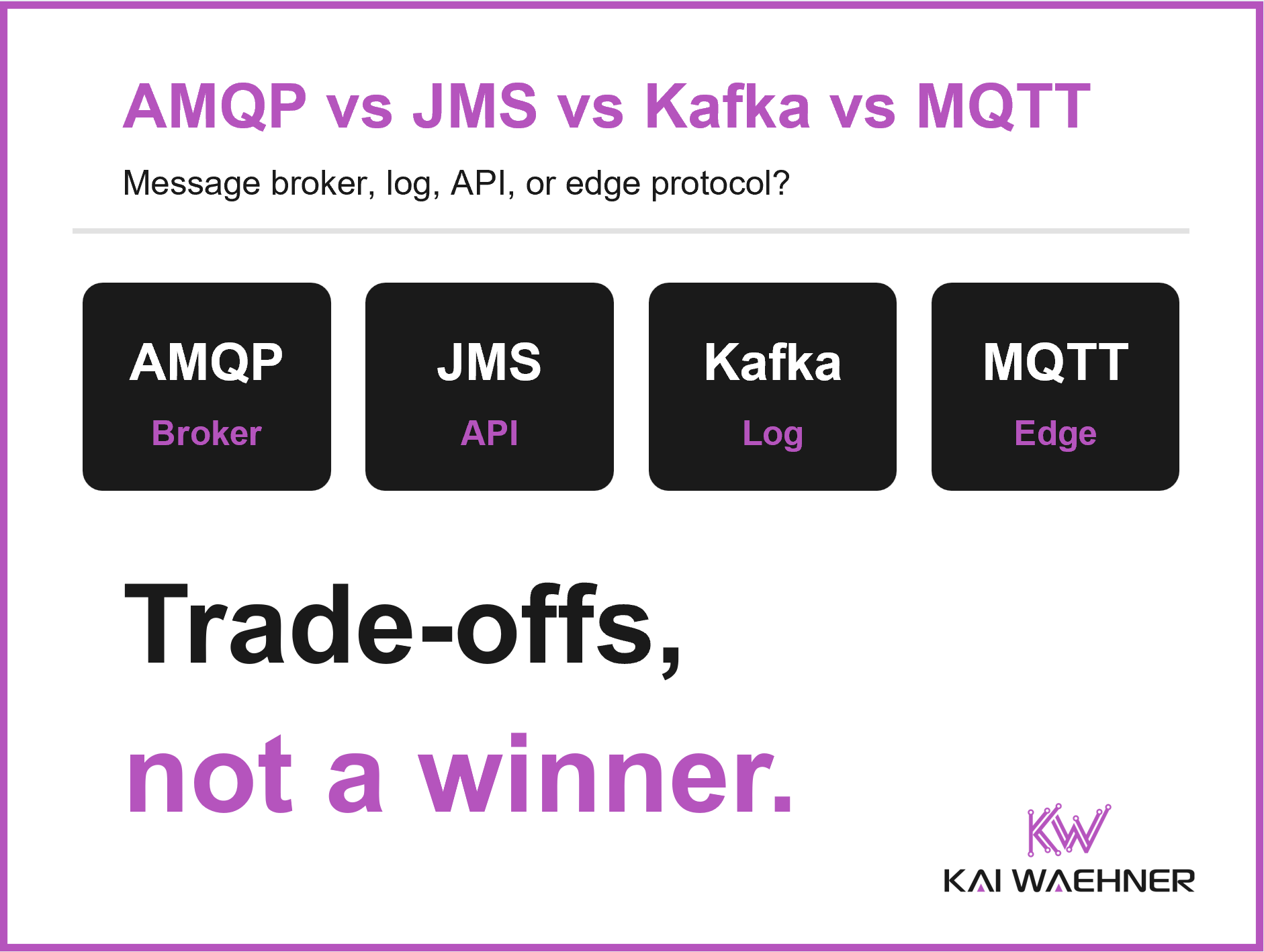
When to Use AMQP, JMS, Kafka, or MQTT: Trade-offs, Not a Winner
AMQP, JMS, Kafka, and MQTT get compared as rivals, but a message broker, a log, and a device protocol sit on different layers. A clear guide to what each is, how they differ, when to use which, and why one platform often supports…
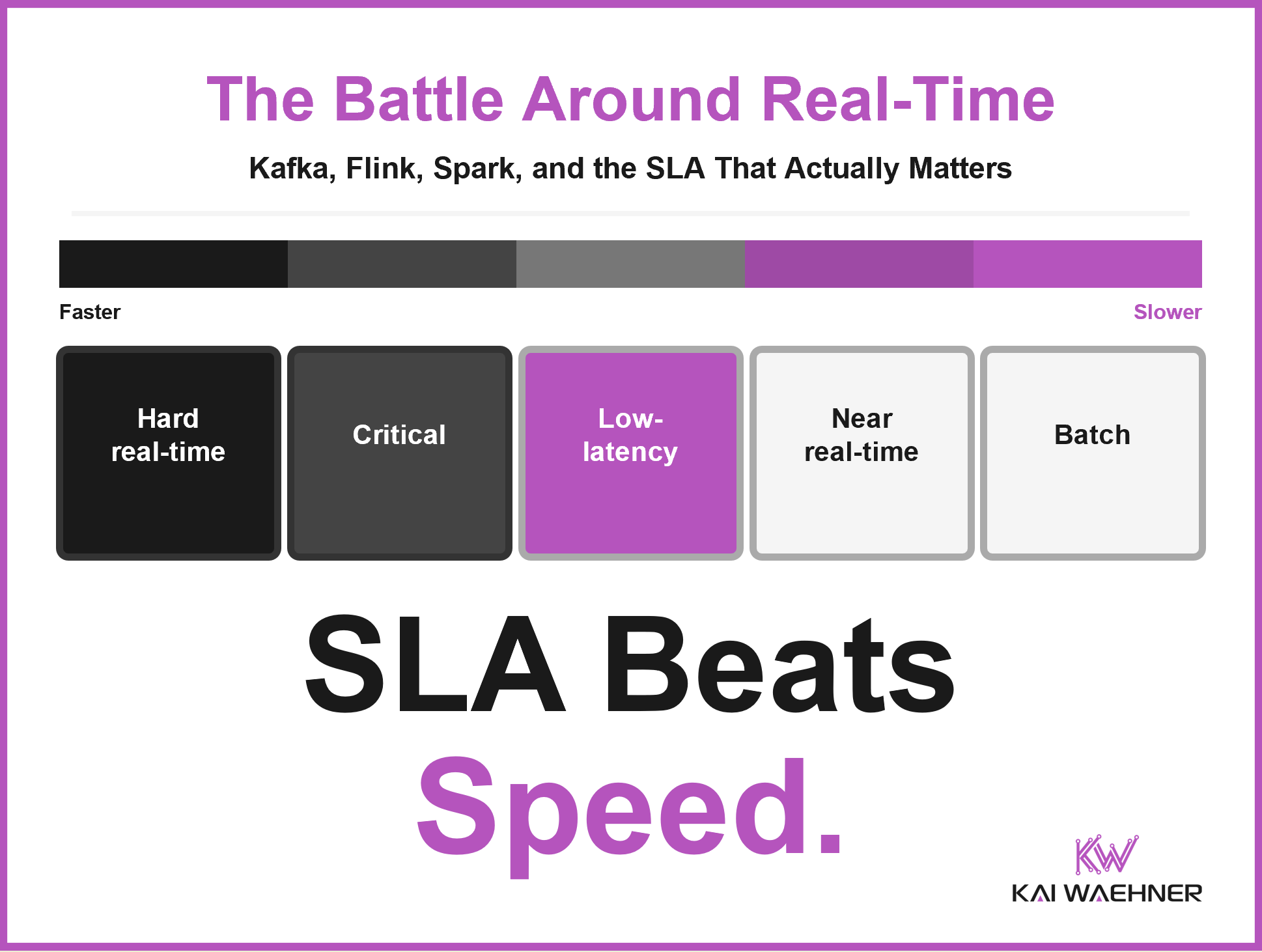
Kafka vs Flink vs Spark: Do You Really Need Real-Time?
Most vendors sell milliseconds, but most enterprise use cases do not need them. A critical look at Kafka, Flink, Spark, Pulsar, and Redpanda, and why the SLA and the estate decide the tool, not the benchmark….
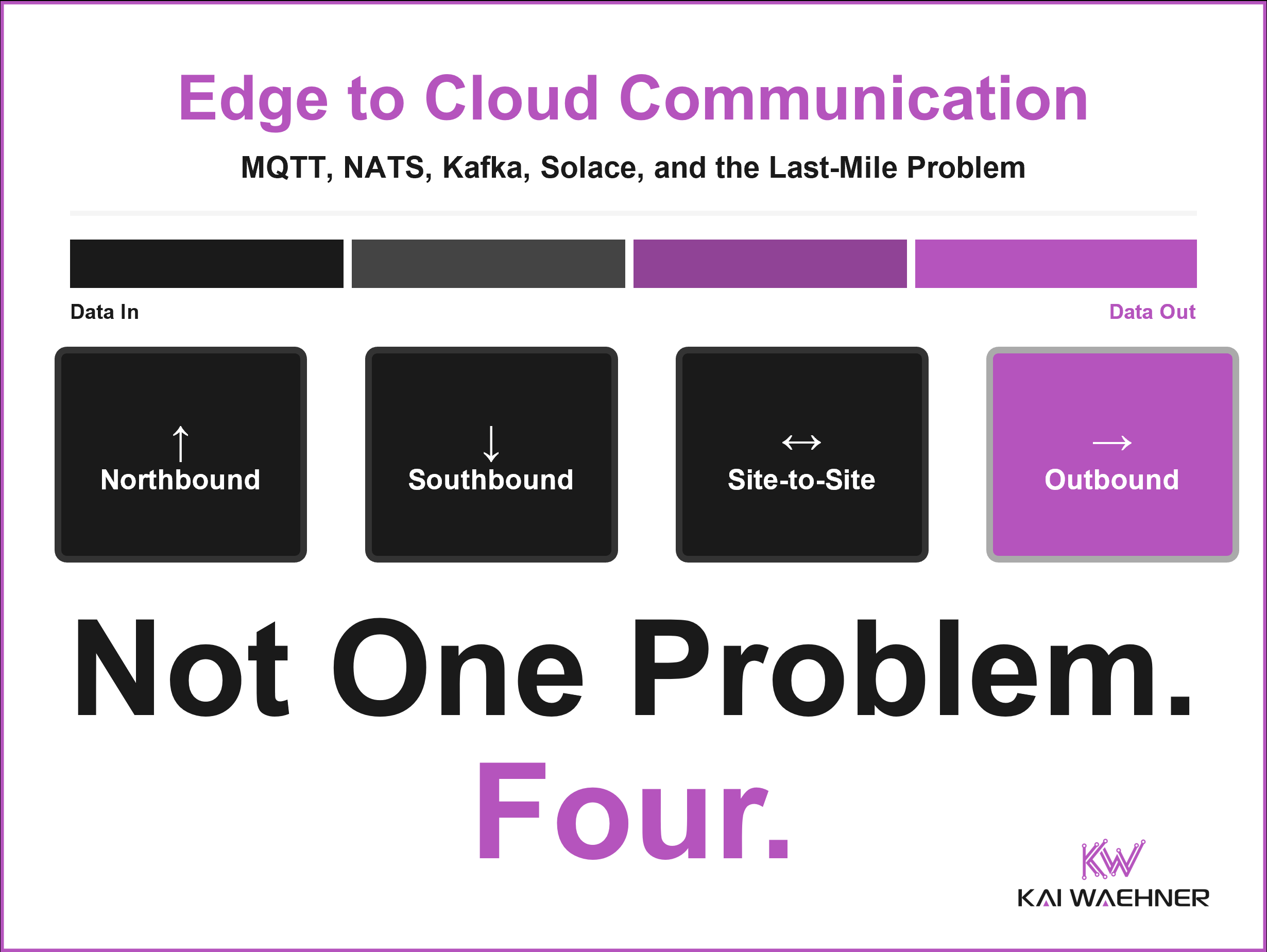
Edge to Cloud and Back: Four Data Movement Problems, and Why One Technology Never Solves All of Them
Edge to cloud is not one integration problem. It is four: telemetry going up, control going down, sites syncing sideways, and data reaching people. This article maps the vendor categories to each pattern and gives you a five-question…
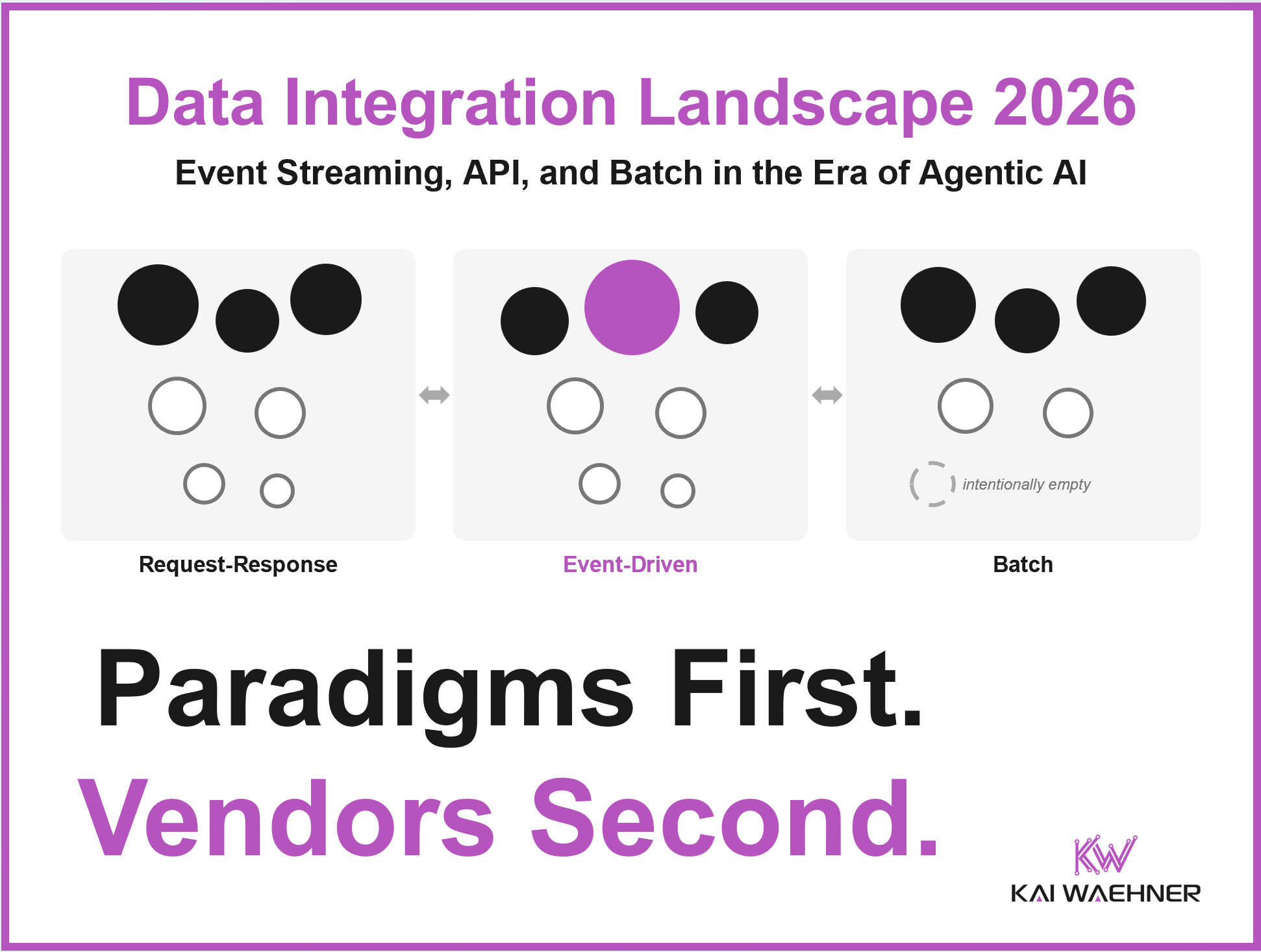
Data Integration Landscape 2026: Event Streaming, API, and Batch in the Era of Agentic AI
The Data Integration Landscape 2026 maps every major vendor across three communication paradigms: request-response, event-driven, and batch. Event streaming has become the architectural foundation for agentic AI. This independent…
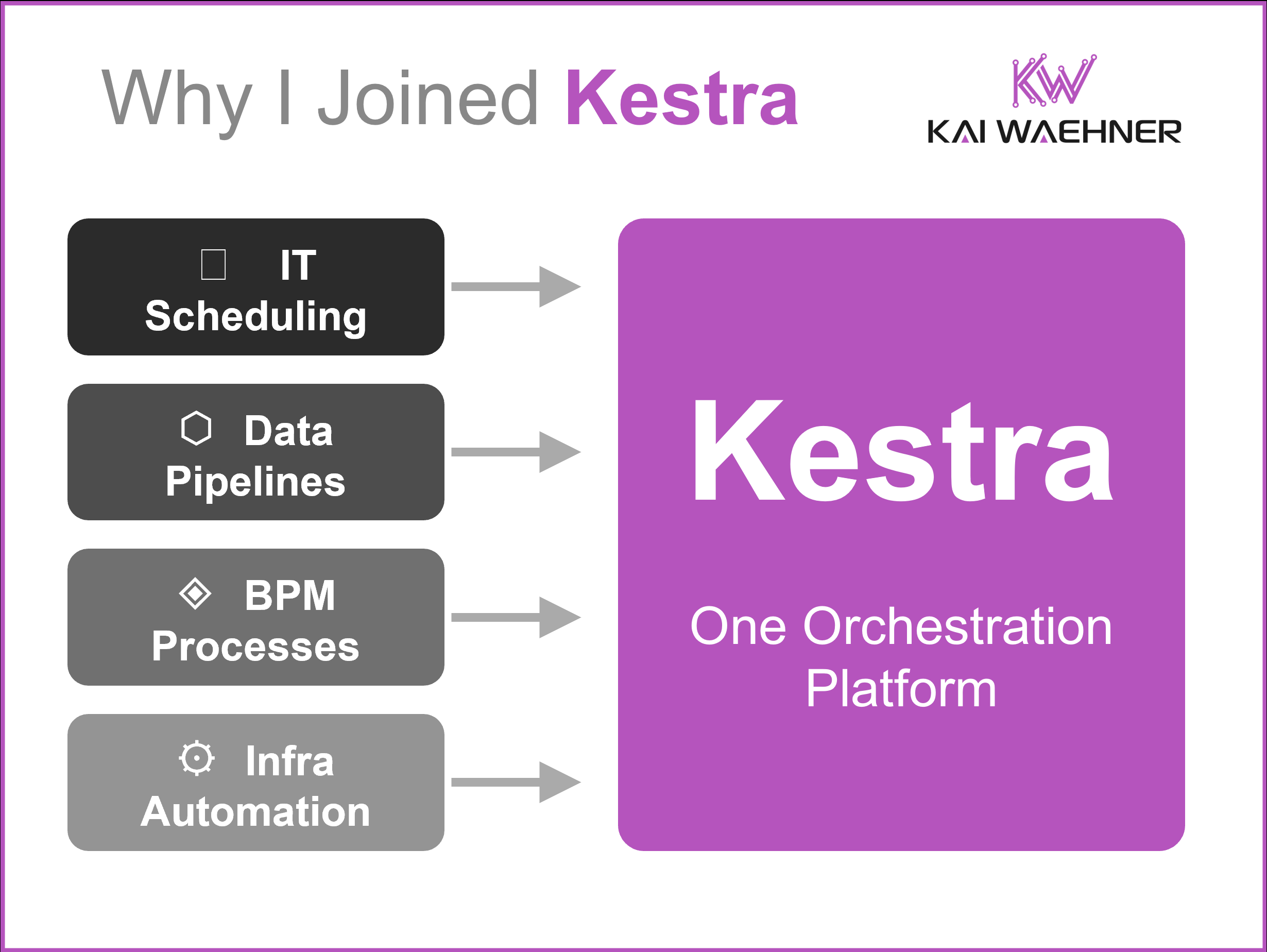
Why I Joined Kestra: Enterprise Workflow Orchestration for the Agentic AI Era
Enterprises run separate tools for IT scheduling, data pipelines, business processes, and infrastructure. None talk to each other. Modernization and agentic AI are forcing them into one platform. Here is why I joined Kestra as Global…
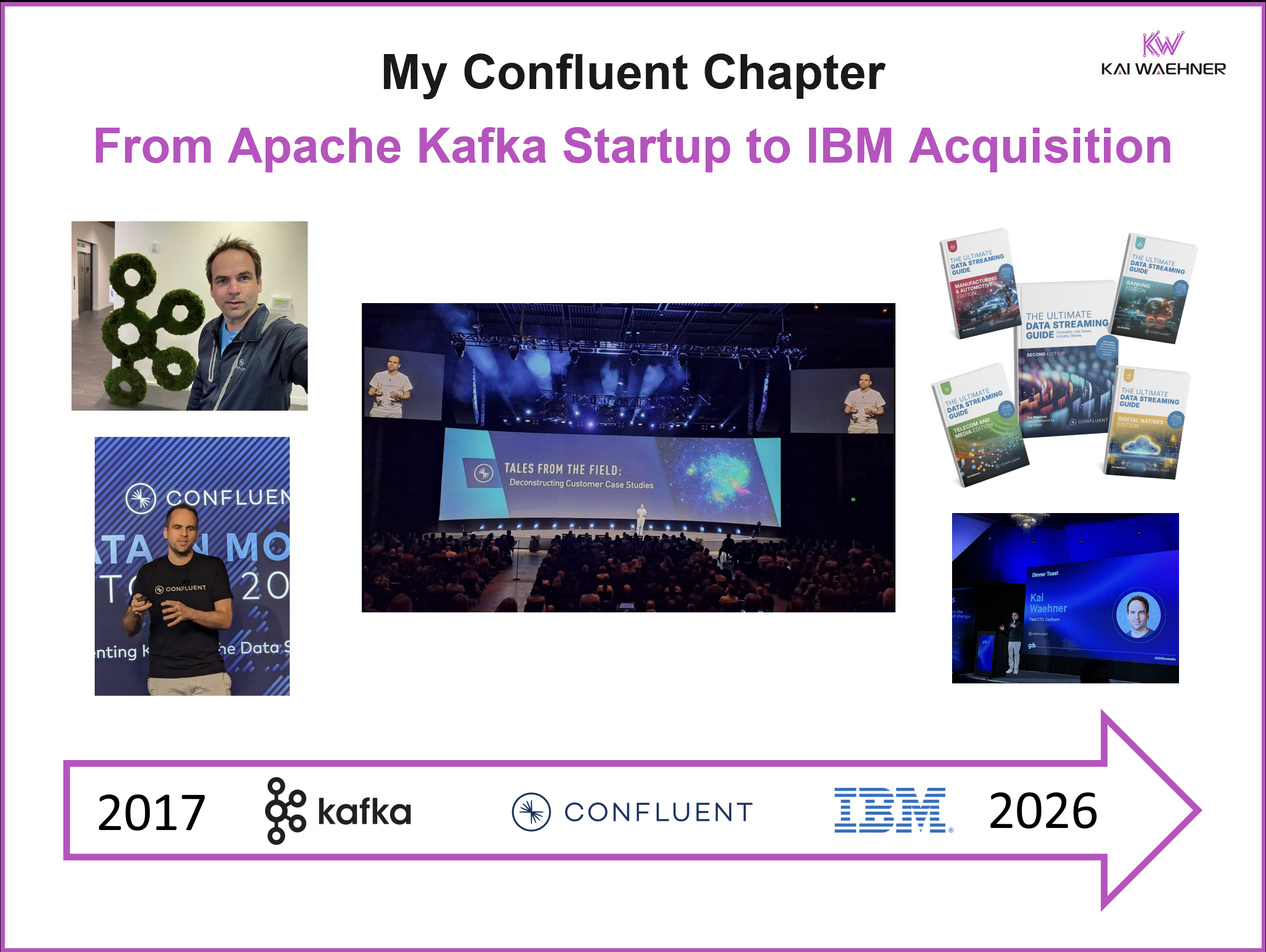
My Confluent Chapter: From Apache Kafka Startup to $11 Billion IBM Acquisition
Nine years at Confluent: from a Silicon Valley startup with 100 people to an $11 billion IBM acquisition. A personal reflection on the Apache Kafka and data streaming journey and what the team accomplished together….
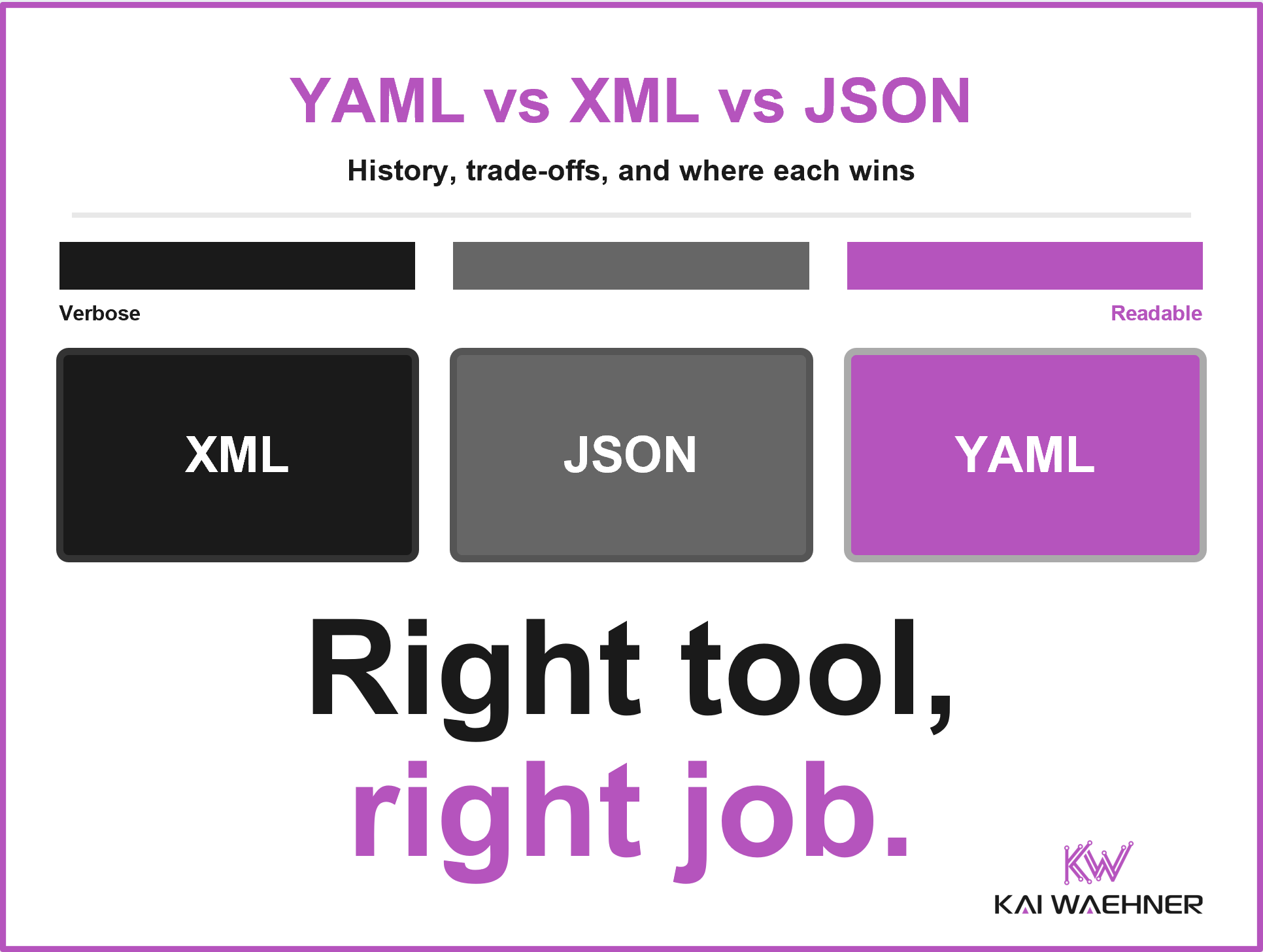
YAML vs XML vs JSON: History, Trade-offs, and Where Each Wins in the Age of Agentic AI
XML, JSON, and YAML were built for different jobs in different eras. This post covers where each came from, how they compare, and where each one still wins, including why YAML borrows JSON Schema and how schemas became the contract…
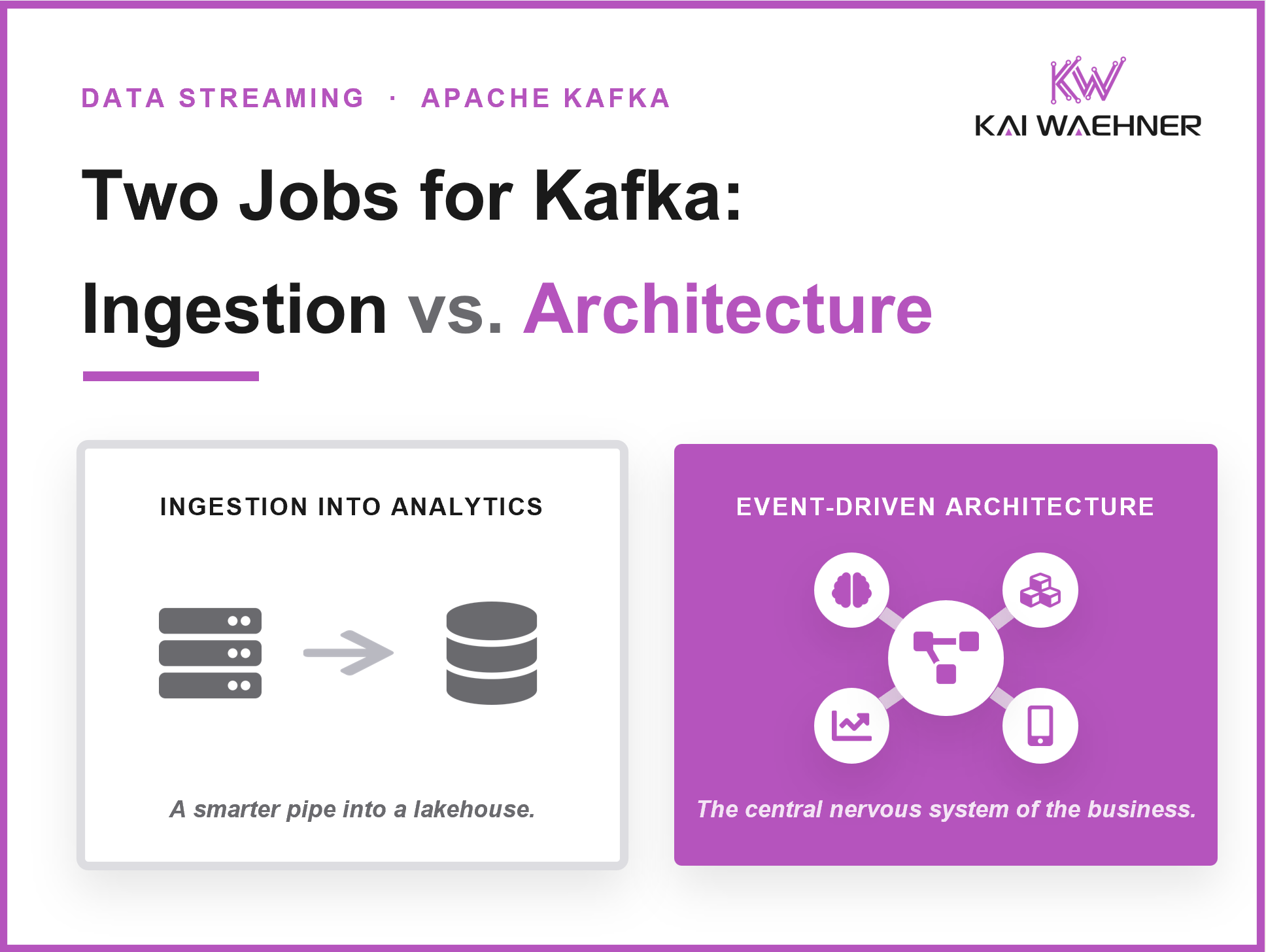
Why Databricks and Snowflake Speak the Kafka Protocol: Ingestion vs. Architecture
Databricks and Snowflake now speak the Kafka protocol. But using the Kafka API to feed a lakehouse is very different from running Kafka as the event-driven backbone of the enterprise. Here is why the two are complementary, not the same….
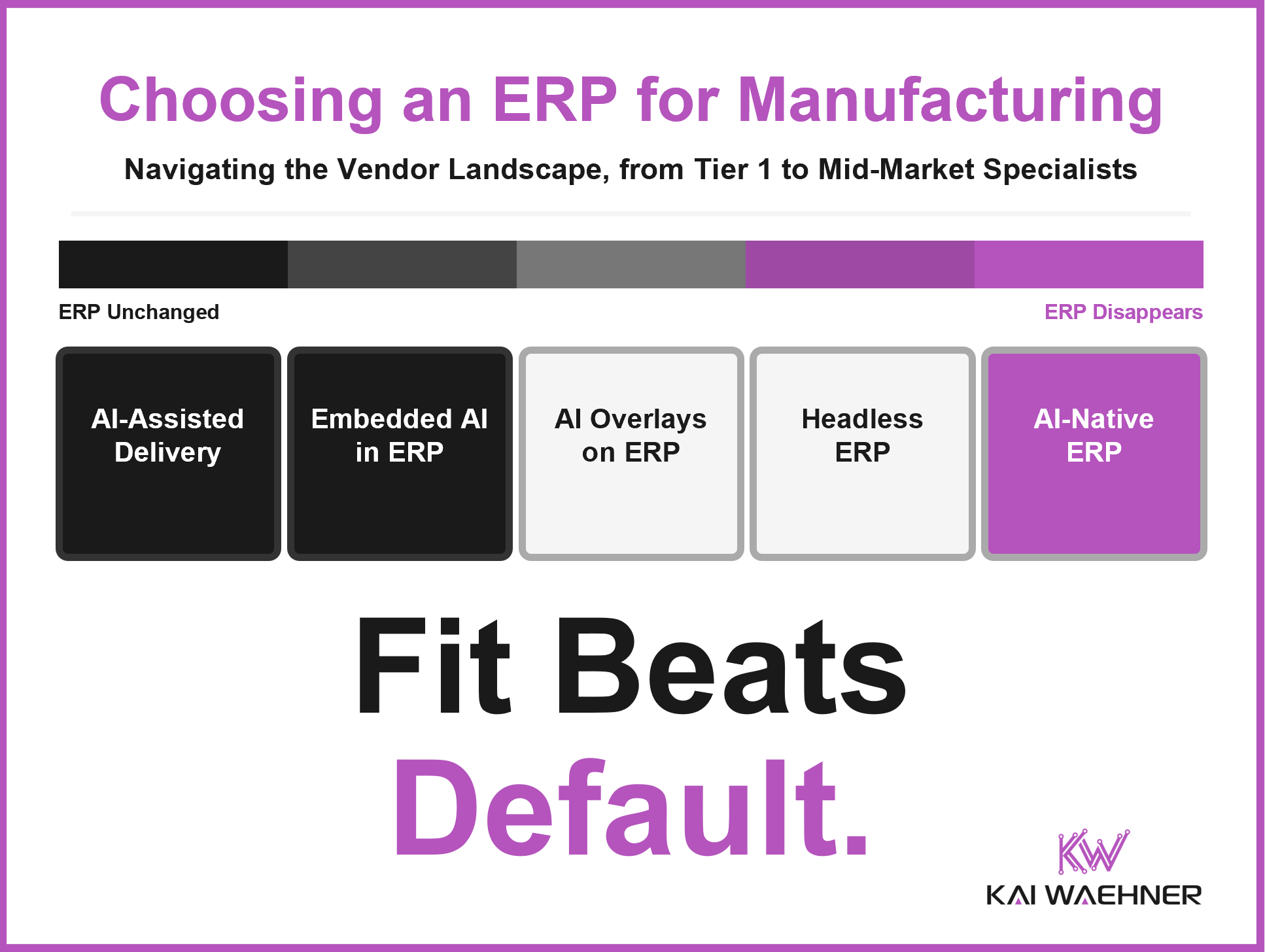
Choosing an ERP for Manufacturing: How AI Is Reshaping the Vendor Landscape
ERP vendor selection for manufacturing is not a product decision. It is a strategic bet on fit, total cost, and which AI future your vendor is building toward. Three German manufacturers chose SAP, ams.erp, and VlexPlus. All three were…
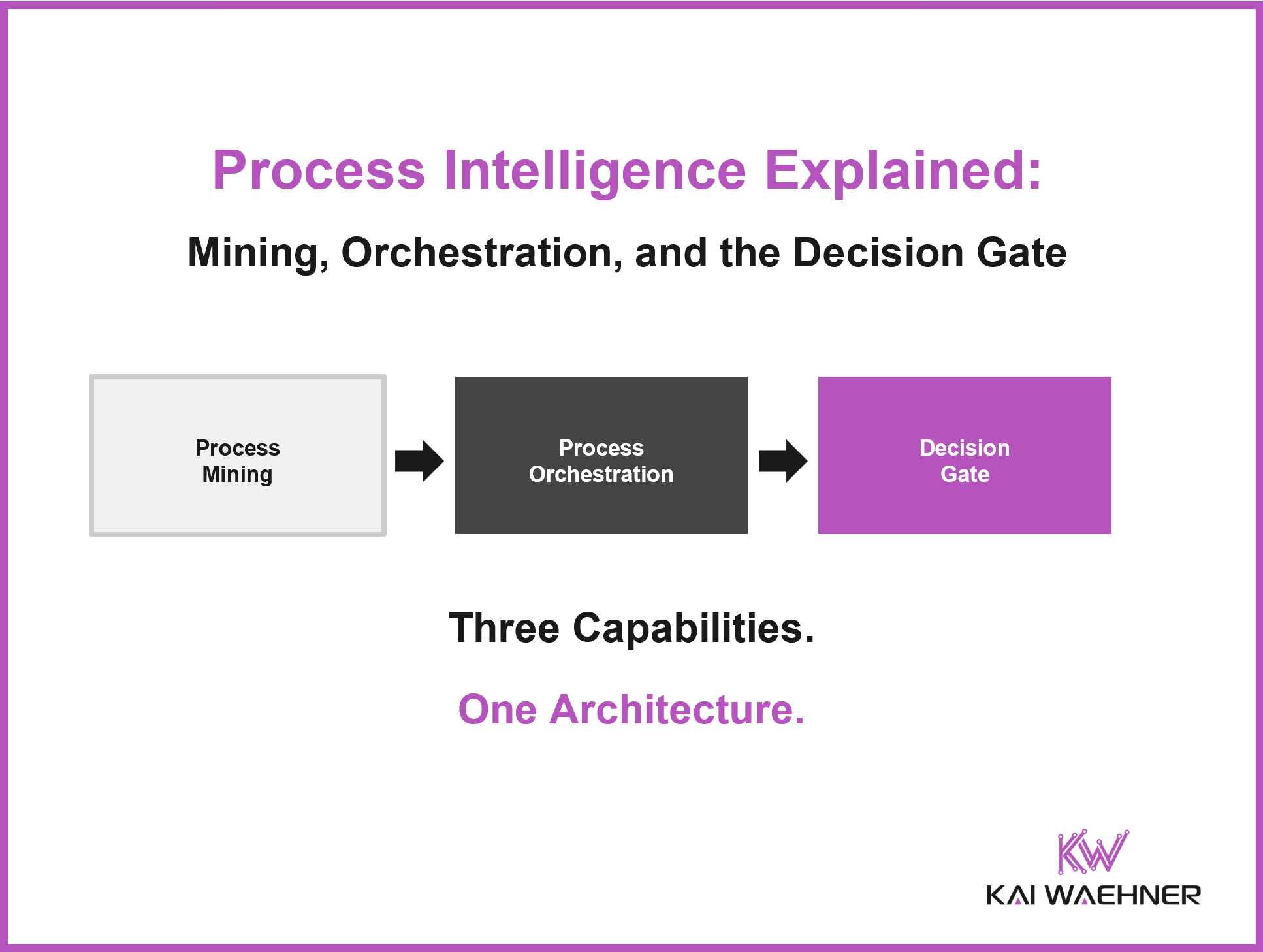
Process Intelligence Explained: Mining, Orchestration, and the Decision Gate
Process intelligence is not a single tool. It combines process mining, process orchestration, and a decision gate into one architecture that shows how processes really run, governs what happens next, and keeps automation and AI inside…
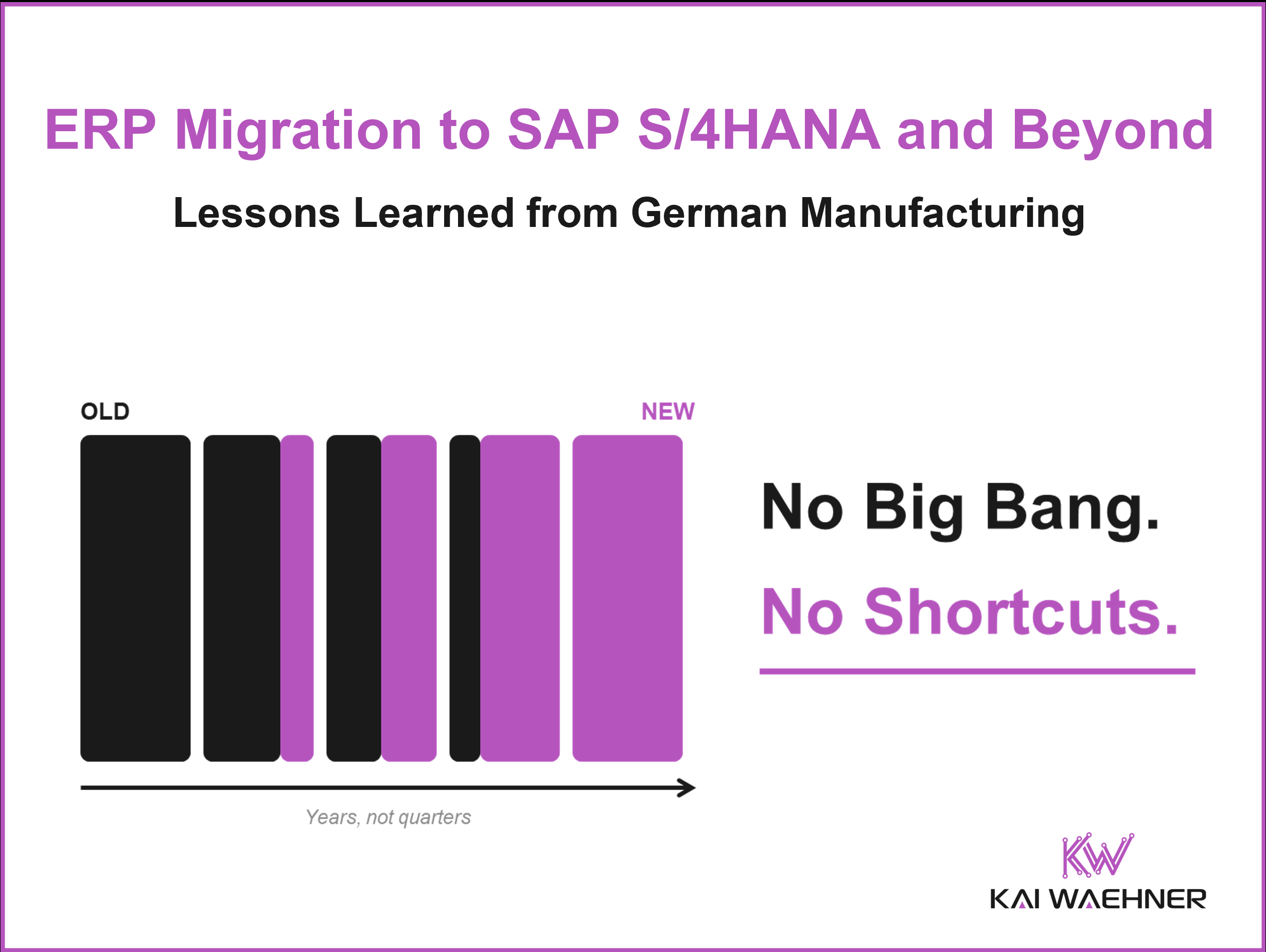
ERP Migration to SAP S/4HANA and Beyond: Lessons Learned from German Manufacturing
ERP modernization fails when the technology leads and the process work follows. Three German manufacturers ran their migrations differently, on SAP, ams.erp, and VlexPlus. The structural lessons are the same. This post covers what…
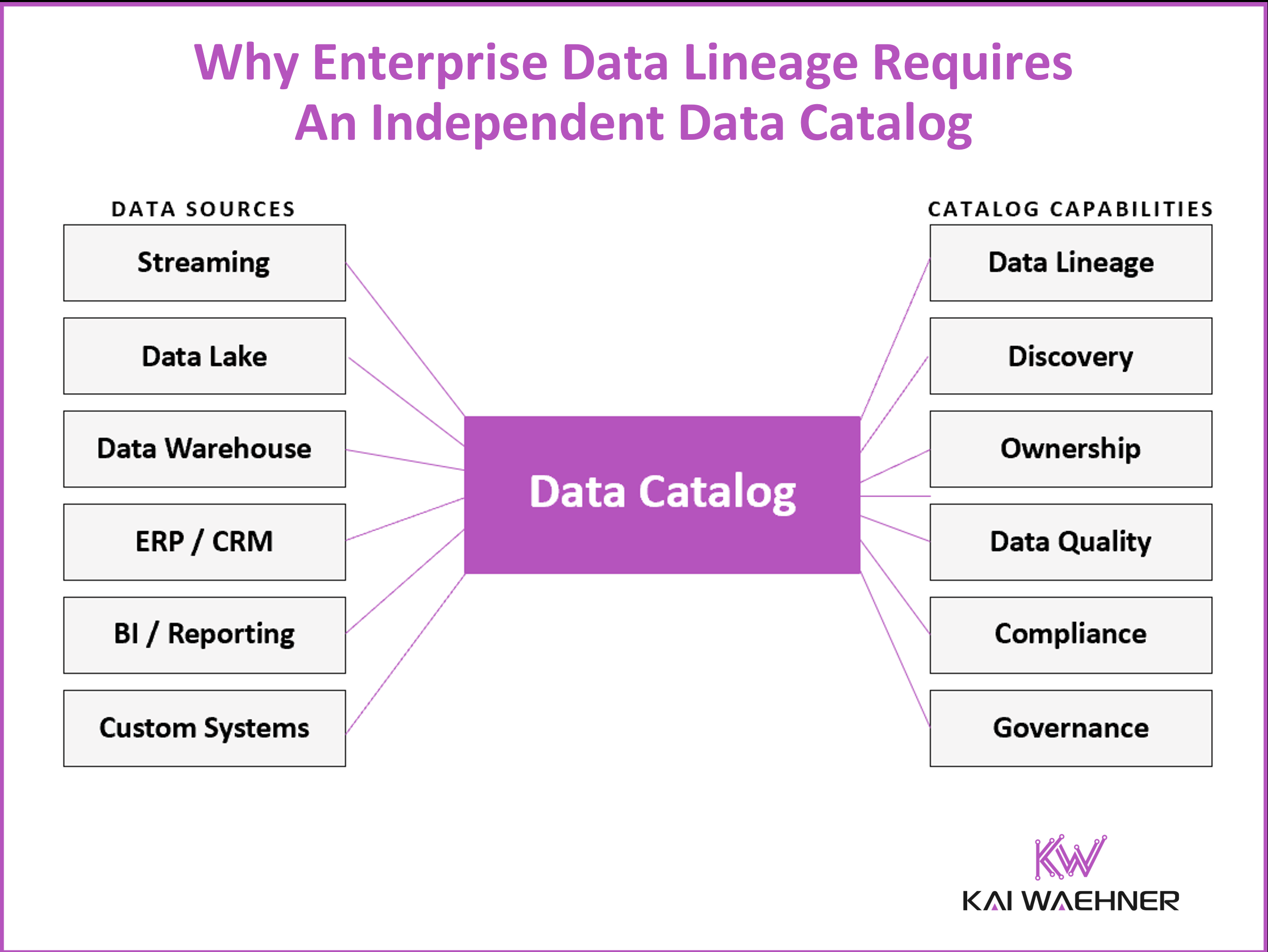
Beyond Enterprise Data Lineage: The Case for a Platform-Independent Data Catalog
Most organizations start their data governance journey by asking how to track where data comes from and where it goes. They quickly discover a harder question: why can none of their existing tools answer that across all systems?…
Data Ownership in the Age of Agentic AI: Why SAP’s API Policy Forces a Data Integration Reckoning for Every Enterprise
Every enterprise is being told to go agentic. Meanwhile, the platforms holding your most critical business data are tightening control over how AI agents can access it. SAP made that move explicitly. Other software vendors are doing…